
Business Credit Monitoring for Sole Proprietors: Do You Need It?
Short answer: Many sole proprietors have no business credit file at all, so there may be nothing to monitor. Check
Freelancing comes with a kind of exposure most full-time employees never have to think about. You’re the one handling your own contracts, invoices, tax filings, and client communications, often across multiple platforms, devices, and sometimes multiple countries. Every one of those touchpoints is a place where personal or financial information can leak, get mishandled, or get targeted.
Unlike salaried employees, freelancers typically don’t have an employer’s IT security team, HR department, or payroll system standing between them and a scammer. You’re sending your own SSN or EIN on W-9 forms to new clients you’ve never met in person. You’re managing your own tax filings as a self-employed person, which comes with its own identity theft risks the IRS sees often. And if you work with international clients, you’re navigating data-sharing practices across borders with very different privacy protections.
This section covers identity theft as it actually shows up in freelance work, not the generic advice everyone else already publishes, but the specific risks, warning signs, and protective habits that make sense for how freelancers actually operate. Whether you’re just starting out and setting up your first client contracts, or you’ve been freelancing for years and want to tighten up your security habits, you’ll find practical, no-fluff guidance here.
New to identity theft basics? Start with our Identity Theft 101 guide before diving into the freelancer-specific risks below.
Short answer: Many sole proprietors have no business credit file at all, so there may be nothing to monitor. Check
Short answer: First, work out which problem you have. Either someone is misusing your real EIN (fake returns, wage reports,
You can’t cancel a Social Security number like you can a stolen credit card. There’s no “request a new one”

In a 2024 TransUnion survey, more than a third of gig platform users said they’d already been the victim of
Most freelance platform security advice starts with enabling two-factor authentication, which is genuinely important, but it skips a prerequisite that
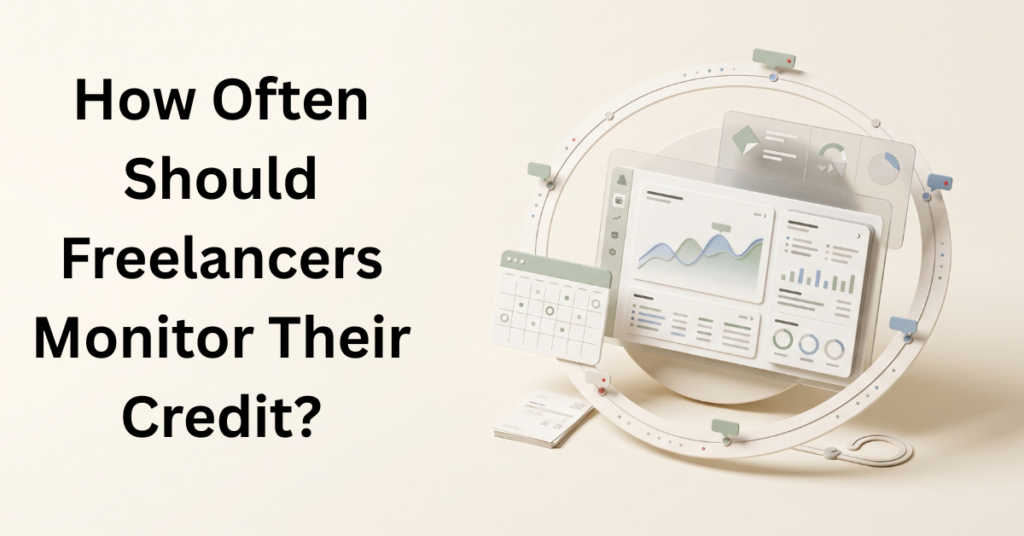
Surveys of identity theft victims consistently find that most people notice something is wrong fast, often because of an obvious
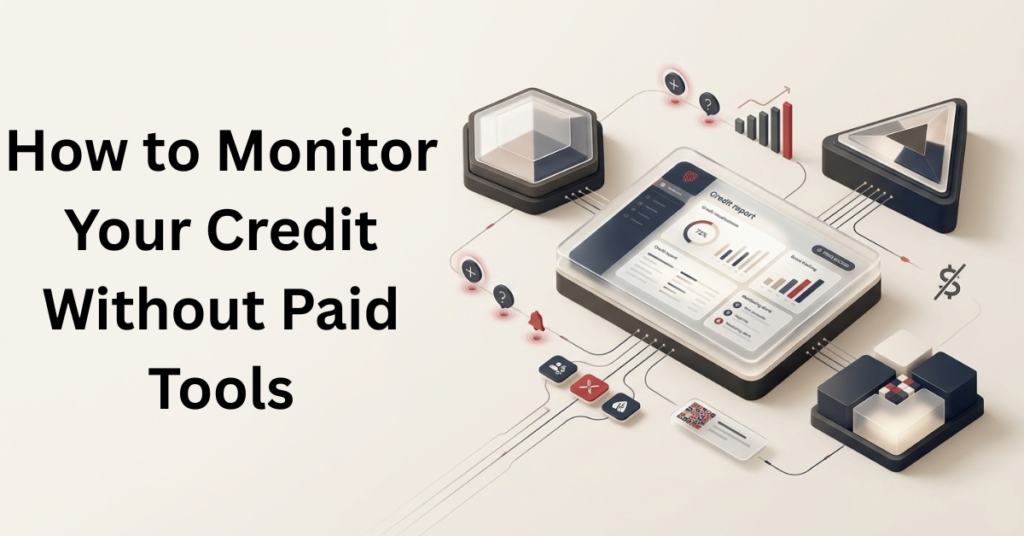
Between AnnualCreditReport.com’s free weekly reports, Credit Karma’s ongoing two-bureau tracking, and Experian’s genuinely free FICO score tier open to any
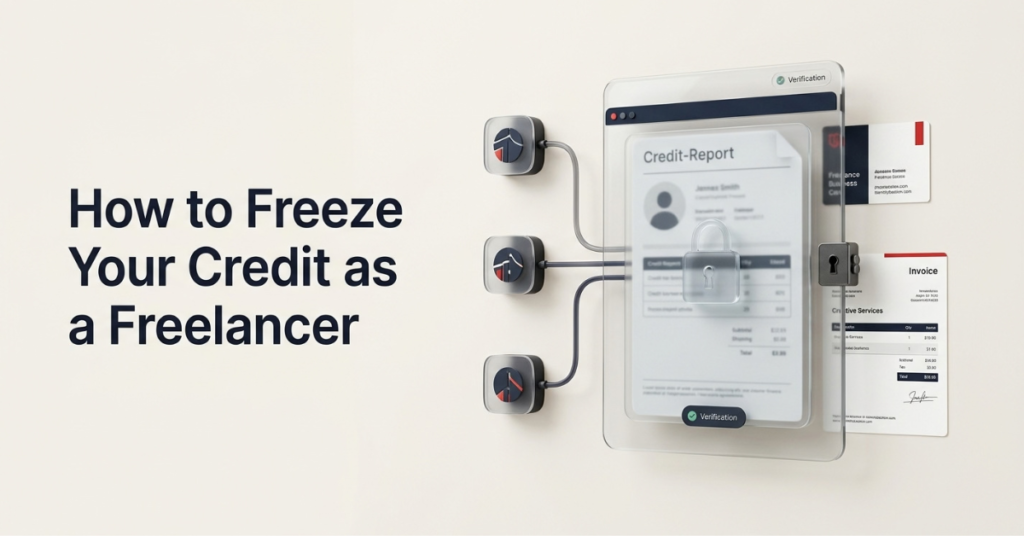
A credit freeze is one of the few genuinely free, federally guaranteed protections available to every consumer, and it’s specifically
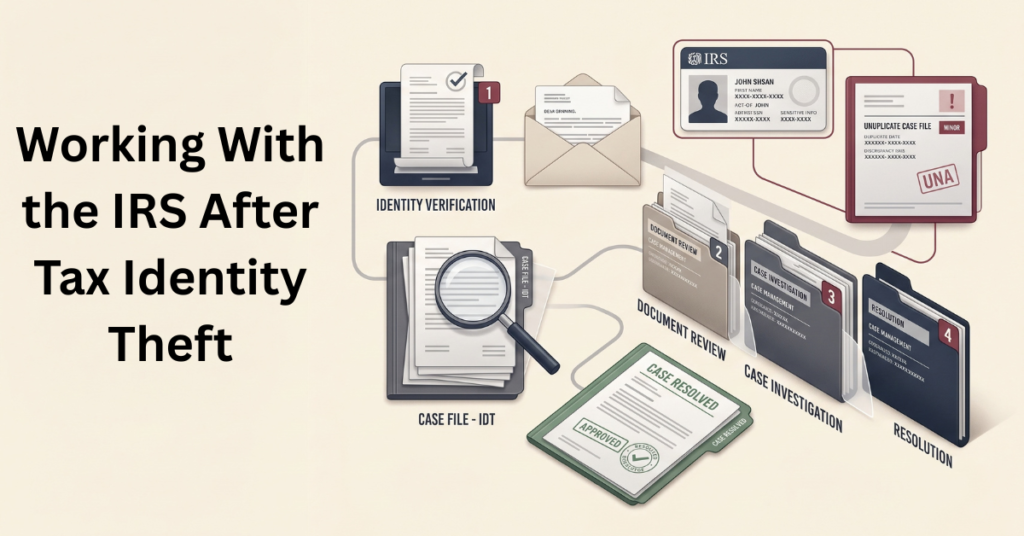
One of the most common, well-documented mistakes taxpayers make when dealing with tax identity theft is filing IRS Form 14039,
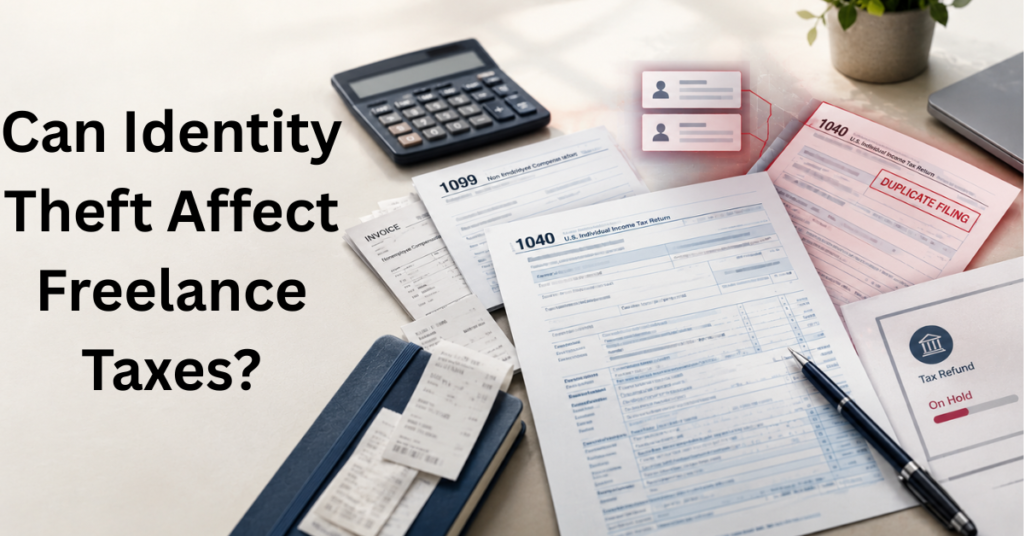
The IRS’s own stated goal for resolving a tax identity theft case is 120 days. According to the National Taxpayer